
11th Floor, Chuangbo Industrial Park, 177 Tianchen Road, High-tech Zone, Jinan City, Shandong Province, China
Views: 0 Author: Site Editor Publish Time: 2025-12-24 Origin: Site


In the era of cloud computing, high-performance computing (HPC), and data-driven industries, modern data centers demand advanced solutions for high-speed, stable, and low-latency communication. Fiber optic transceiver modules are essential hardware components that enable these requirements by facilitating fast and reliable data transmission over long distances. As businesses rely more on data centers for their operations, the importance of fiber optic transceiver modules in supporting seamless network architecture cannot be overstated. This article explores how fiber optic transceiver modules play a crucial role in powering modern data centers and optimizing network performance.
A fiber optic transceiver module is a compact, hot-swappable device used to transmit and receive data signals over optical fiber. These modules consist of a transmitter and a receiver, allowing for the seamless conversion of electrical signals into optical signals and vice versa. Fiber optic transceiver modules are critical in modern networks, including data centers, telecommunications, and high-performance computing environments, due to their ability to handle large volumes of data at high speeds over long distances with minimal signal degradation.
The modular design of fiber optic transceiver modules offers flexibility and ease of maintenance, allowing for easy upgrades or replacements without the need to shut down the system. This is a significant advantage for data centers that require high uptime and minimal disruption. The fiber optic transceiver module is available in various form factors, such as SFP, QSFP, and XFP, with each type offering different capabilities and features suited to various network requirements.
Data centers are the backbone of cloud computing, providing centralized storage and processing power for businesses and consumers alike. The architecture of a data center involves multiple interconnected servers, switches, and storage systems that require efficient communication. Fiber optic transceiver modules are crucial in building the internal interconnections between these devices, ensuring high-speed and reliable communication.
One of the key uses of fiber optic transceiver modules in data centers is for server-to-switch, switch-to-switch, and aggregation network connections. These connections enable data to be transmitted quickly across various parts of the data center, supporting activities such as cloud computing, big data processing, virtualization, and AI/HPC applications. Fiber optic transceiver modules provide the necessary bandwidth and low latency for these operations to run smoothly.
Additionally, fiber optic transceiver modules support the future scalability of data centers. As the demand for higher speeds and increased data traffic continues to grow, fiber optic transceiver modules allow for easy upgrades from 10G to 25G, 40G, 100G, and even beyond, without the need for a complete overhaul of the entire network infrastructure. This scalability ensures that data centers remain capable of handling future demands and continue to deliver high-quality services to their customers.
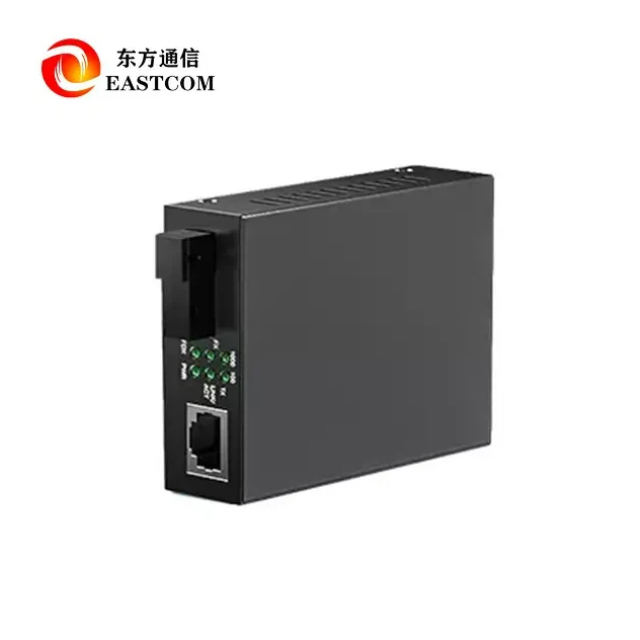
When selecting fiber optic transceiver modules for deployment in data centers, there are several important factors to consider. Each of these considerations can significantly affect the overall performance, energy efficiency, and scalability of the network.
The form factor of a fiber optic transceiver module dictates its size, interface, and compatibility with other devices in the network. Common form factors include SFP (Small Form-factor Pluggable), QSFP (Quad Small Form-factor Pluggable), and XFP, each designed to meet specific needs. For instance, QSFP modules support higher data rates and are typically used in high-density, high-bandwidth environments like data centers. It's essential to choose the right form factor to match the network’s speed, density, and space requirements.
Compatibility with existing network equipment, such as switches, routers, and servers, is another critical consideration. Ensuring that the selected fiber optic transceiver module works seamlessly with your equipment will help avoid disruptions and ensure smooth integration.
Fiber optic transceiver modules are designed to work with either single-mode fiber (SMF) or multi-mode fiber (MMF), each suitable for different transmission distances. Single-mode fiber is ideal for long-distance communication, offering high bandwidth and low attenuation over long spans. It’s often used for interconnecting data centers across cities or continents. In contrast, multi-mode fiber is better suited for shorter distances, such as within a single data center or local area network (LAN).
When choosing a fiber optic transceiver module, it's important to select the right fiber type (single-mode or multi-mode) based on the network’s distance and data rate requirements. For instance, single-mode transceivers are used for long-range connections, while multi-mode transceivers are typically used for intra-data-center communication.
In high-demand environments like data centers, ensuring the reliability and continuous performance of the network is essential. Many fiber optic transceiver modules are equipped with diagnostic features, such as digital diagnostic monitoring (DOM) and digital diagnostics monitoring (DDM). These features allow network administrators to monitor important parameters like optical power, temperature, and voltage, ensuring that the fiber optic transceiver modules are operating within optimal conditions.
This proactive monitoring helps to prevent potential issues from escalating into downtime, improving the overall reliability of the data center network. Additionally, ensuring that the fiber optic transceiver module supports hot-swapping allows for easy replacement and maintenance without interrupting network operations.
Investing in high-quality fiber optic transceiver modules provides numerous benefits for businesses, particularly those relying on data centers or cloud services.
The modularity of fiber optic transceiver modules makes it easier for network administrators to replace or upgrade components without disrupting the network. The hot-swappable nature of these modules ensures that maintenance can be carried out with minimal downtime, which is crucial for businesses that require 24/7 operations.
For critical business functions such as cloud services, data storage, video transmission, and remote work, fiber optic transceiver modules offer a high level of stability and reliability. They ensure that data is transmitted quickly and accurately, minimizing the risk of network failures and improving the overall user experience.
By opting for modular fiber optic transceiver modules, businesses can enjoy significant cost savings. Unlike traditional fixed interfaces, these modules can be replaced or upgraded individually, reducing the need for costly network-wide upgrades. Additionally, the flexibility of these modules allows businesses to scale their networks according to their changing needs without significant investment in new infrastructure.
One of the key advantages of fiber optic transceiver modules is their ability to support future upgrades. As business requirements evolve, it’s easy to upgrade from 10G to 25G, 40G, or even 100G with minimal disruption. This ensures that businesses can future-proof their networks, adapting to increasing data traffic and bandwidth demands without the need for a complete infrastructure overhaul.
Shandong Dongfang Communication Technology Co., Ltd. offers a wide range of high-performance fiber optic transceiver modules designed to meet the diverse needs of modern data centers, telecommunications, and industrial networks. Our products are compatible with multiple form factors, support both single-mode and multi-mode fibers, and are available in various speeds, including Gigabit, 10G, 25G, and more. With exceptional stability, low power consumption, and high signal integrity, our modules are ideal for businesses seeking reliable and scalable networking solutions.
By choosing our fiber optic transceiver modules, you’ll benefit from cutting-edge technology that ensures high performance, low latency, and high reliability. Contact us today to discuss your network needs and explore our tailored solutions.
Fiber optic transceiver modules are fundamental to the functioning of modern data centers and network infrastructures. They provide the necessary high-speed, low-latency, and high-reliability connections that data centers, cloud computing, and high-performance computing (HPC) environments depend on. By understanding the role of fiber optic transceiver modules and their impact on network performance, businesses can make informed decisions that optimize their infrastructure for future growth and technological advancements.
For businesses seeking high-quality, scalable, and reliable fiber optic transceiver modules, Shandong Dongfang Communication Technology Co., Ltd. offers the perfect solution. Contact us today to learn more about our products and find the right module to meet your network’s requirements.
What is a fiber optic transceiver module?
A fiber optic transceiver module is a device that transmits and receives data signals over optical fiber, converting electrical signals into optical signals and vice versa.
What are the benefits of using fiber optic transceiver modules in data centers?
Fiber optic transceiver modules provide high-speed, reliable, and low-latency communication, ensuring efficient data transfer between devices in data centers, cloud environments, and high-performance networks.
How do I choose the right fiber optic transceiver module for my network?
Consider the data rate, transmission distance, fiber type (single-mode or multi-mode), form factor, and compatibility with your network equipment when selecting a fiber optic transceiver module.
Can fiber optic transceiver modules be easily upgraded?
Yes, fiber optic transceiver modules are modular and can be easily upgraded or replaced without disrupting the entire network, making them ideal for future-proofing your network infrastructure.


