
11th Floor, Chuangbo Industrial Park, 177 Tianchen Road, High-tech Zone, Jinan City, Shandong Province, China
Views: 0 Author: Site Editor Publish Time: 2025-12-11 Origin: Site


In the fast-paced world of modern telecommunications and networking, the demand for high-speed, reliable data transmission is continuously growing. As businesses expand, data traffic increases, and the need for better infrastructure becomes even more critical. One of the key components that enable efficient and scalable network operations is the transceiver optical fiber module. These modules play an essential role in the backbone of modern high-speed networks, offering seamless data transmission with minimal loss and excellent stability. In this article, we will explore what transceiver optical fiber modules are, how they work, their advantages, and their applications, as well as how selecting the right module can significantly enhance the performance and reliability of your network infrastructure.
At its core, the transceiver optical fiber module combines two key components—transmitter and receiver—into one compact unit that enables bidirectional data transmission over optical fibers. Essentially, it converts electrical signals into optical signals for transmission over the fiber, and then converts the received optical signals back into electrical signals for use by network devices. This process of optical and electrical signal conversion makes transceiver optical fiber modules vital for high-performance, long-distance data transmission.
Compared to traditional copper cable communication, which is limited by distance and bandwidth, transceiver optical fiber modules provide significant improvements in both speed and reliability. Fiber optic cables, in combination with these transceiver modules, allow for the transfer of large amounts of data over great distances with minimal attenuation and electromagnetic interference, which is common with copper cables. This makes optical fiber the preferred choice for modern networks, including data centers, cloud infrastructures, and telecom networks.
Understanding how transceiver optical fiber modules function requires an overview of their key components and the process of signal transmission. The module consists of two main parts: the transmitter and the receiver. The transmitter converts electrical signals into light signals using a laser diode, such as a Vertical Cavity Surface Emitting Laser (VCSEL) or a Distributed Feedback Laser (DFB). This light signal travels through the optical fiber, where it is received by the photodiode in the receiver, which then converts it back into an electrical signal.
The effectiveness of the transceiver optical fiber module depends on several factors, including the wavelength of the light used (850 nm, 1310 nm, 1550 nm), the type of fiber (single-mode or multi-mode), and the transmission distance. These factors determine the speed and range of the module. For instance, single-mode fibers are ideal for long-distance communication, while multi-mode fibers are typically used for shorter distances. The wavelength also plays a significant role in optimizing transmission speed and minimizing loss.
In addition to the core functionality, these modules are designed with hot-swappable capabilities, meaning they can be easily inserted or removed without causing any disruption to the network. This feature is particularly useful in high-demand environments like data centers, where uptime is critical, and rapid hardware upgrades are often necessary.
The adoption of transceiver optical fiber modules in networking infrastructure offers several key advantages that are crucial for high-speed, high-performance communication:
High Bandwidth and Speed: One of the main advantages of transceiver optical fiber modules is their ability to support high data rates, from 1G to 100G and beyond. This enables organizations to meet the growing demands of data-heavy applications such as cloud computing, video streaming, and real-time data processing.
Long-Distance Transmission and Stability: Optical fiber modules support long-distance communication with minimal signal degradation. Unlike copper cables, which experience significant attenuation over long distances, transceiver optical fiber modules ensure that signals remain strong and stable even over vast networks. This makes them ideal for connecting distant data centers, international communication links, and wide-area networks (WANs).
Electromagnetic Interference Immunity and Low Loss: One of the major challenges with traditional copper cables is their susceptibility to electromagnetic interference (EMI). Transceiver optical fiber modules, however, use light signals that are immune to interference from external sources. This makes them perfect for industrial environments and data-dense areas where electromagnetic noise is prevalent.
Modular and Flexible Design: Transceiver optical fiber modules come in various form factors such as SFP, QSFP, and XFP, offering flexibility for different network configurations. Their modular design also makes them easy to upgrade or replace, reducing downtime during maintenance or network expansion.
Cost-Efficiency, Power Efficiency, and Space Efficiency: Optical fiber modules are more energy-efficient compared to traditional copper-based systems, especially for long-distance communication. They are also smaller and more space-efficient, which is critical for modern data centers where maximizing space is a key concern.
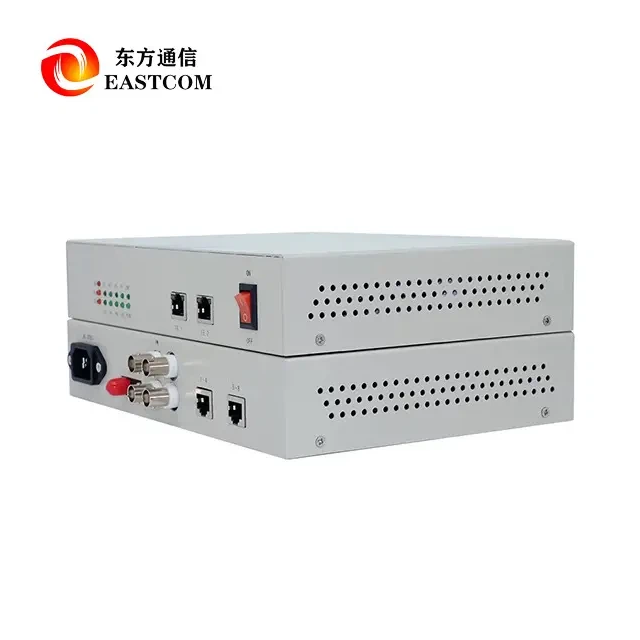
Transceiver optical fiber modules are indispensable in various high-performance networking scenarios. Some of the key applications include:
Data Centers and Cloud Computing Infrastructure: In data centers, transceiver optical fiber modules are used to interconnect servers, switches, and storage devices. These modules enable fast, reliable data transfer between components within a data center, supporting the demands of cloud computing, virtualization, and high-speed data storage.
Telecommunications Networks and ISP Long-Distance Backbone Connections: Telecommunications companies and Internet Service Providers (ISPs) rely on transceiver optical fiber modules to build their long-distance, high-capacity backbone networks. These modules facilitate stable, high-speed communication across vast geographical areas, connecting cities, countries, and continents.
Enterprise Campus Networks and Data Exchange Networks: For large organizations or universities, transceiver optical fiber modules are used to connect multiple buildings or campuses, ensuring fast and reliable communication between various network segments. These modules also play a key role in interconnecting devices within the office network, providing seamless access to applications and services.
Fiber to the Home (FTTH) and Broadband Network Deployment: Transceiver optical fiber modules are essential in providing high-speed internet access to residential areas. By connecting the home directly to the fiber-optic backbone, FTTH services deliver unparalleled speeds and bandwidth to end users.
Industrial Automation and Ethernet in Manufacturing: In industrial environments, transceiver optical fiber modules are used to support factory automation systems, industrial Ethernet networks, and remote monitoring systems. These modules ensure high-speed data transfer, supporting industrial control systems and minimizing communication errors.
Selecting the correct transceiver optical fiber module for your network requires careful consideration of various factors to ensure that the module meets your specific needs:
Network Requirements: Assess the speed, distance, and type of fiber required for your network. For example, high-bandwidth applications may require modules supporting 100G or more, while longer distances may need single-mode fiber.
Module Form Factor: Choose the appropriate form factor, such as SFP, SFP+, QSFP, or QSFP-DD, depending on your network's capacity requirements and physical space constraints.
Connector Type and Fiber Mode: Ensure compatibility with your existing infrastructure, including the connector type (LC, SC, MPO, etc.) and the fiber type (single-mode or multi-mode).
Technical Parameters: Look at critical parameters such as wavelength, transmit power, receiver sensitivity, and maximum transmission distance to match the module to your network’s technical specifications.
Scalability and Upgradability: Choose modules that support easy upgrades as your network grows. This is especially important in environments with ever-increasing bandwidth demands.
The transceiver optical fiber module is a critical component in the infrastructure of modern high-speed networks. It ensures reliable, high-capacity, long-distance communication, offering scalability and flexibility for future network growth. By utilizing transceiver optical fiber modules, businesses can build robust, high-performance networks that can handle the demands of today and the challenges of tomorrow.
If you are looking to upgrade your network with high-performance transceiver optical fiber modules, Shandong Dongfang Communication Technology Co., Ltd. offers a wide range of reliable and efficient modules to meet your needs. Contact us today to explore our products and get tailored solutions for your network requirements.
What is a transceiver optical fiber module?
A transceiver optical fiber module is a device that combines the transmitter and receiver for optical signal conversion, allowing data to be transmitted over optical fibers.
Why should I choose optical fiber over copper for networking?
Optical fiber offers higher bandwidth, longer transmission distances, and is immune to electromagnetic interference, making it ideal for high-speed, long-distance networks.
What factors should I consider when choosing a transceiver optical fiber module?
Key factors include speed, distance, fiber type (single-mode or multi-mode), and module form factor, as well as compatibility with existing network infrastructure.
Can transceiver optical fiber modules be used for industrial applications?
Yes, transceiver optical fiber modules are commonly used in industrial automation, providing stable, high-speed data transfer for Ethernet-based systems and factory networks


